Navratri: Surat's Showpiece Festival
Nine nights of Garba and Dandiya Raas dancing, in grounds so large some hold tens of thousands of dancers at once.
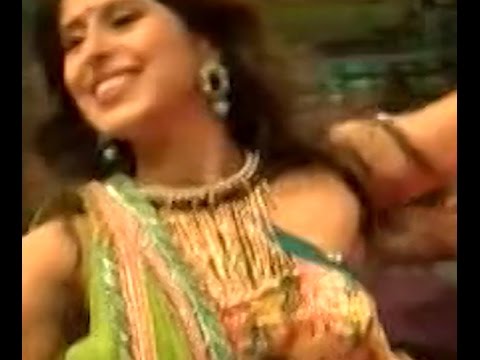
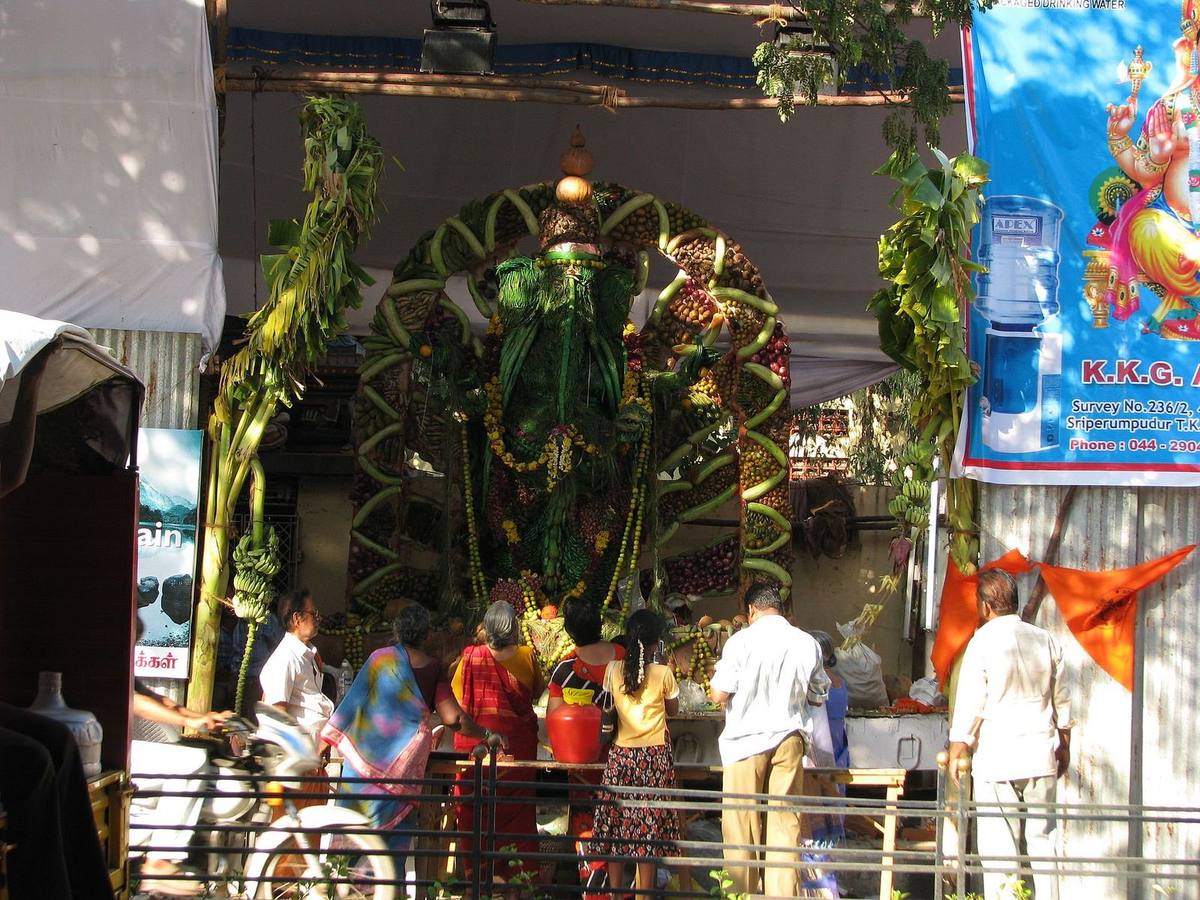
For nine nights every September or October, Surat effectively shuts down its normal evening routine and moves to open-air Garba grounds across the city. Dancers circle in coordinated steps to live and recorded music, dressed in vibrant chaniya cholis and kediyus, with some of the largest grounds drawing professional choreography and thousands of participants a night.
Surat's Navratri is widely considered one of the biggest in the world — bigger, by some measures, than even Ahmedabad's. If you can time a trip to catch it, this is the single most spectacular thing to experience in the city.
Full Navratri details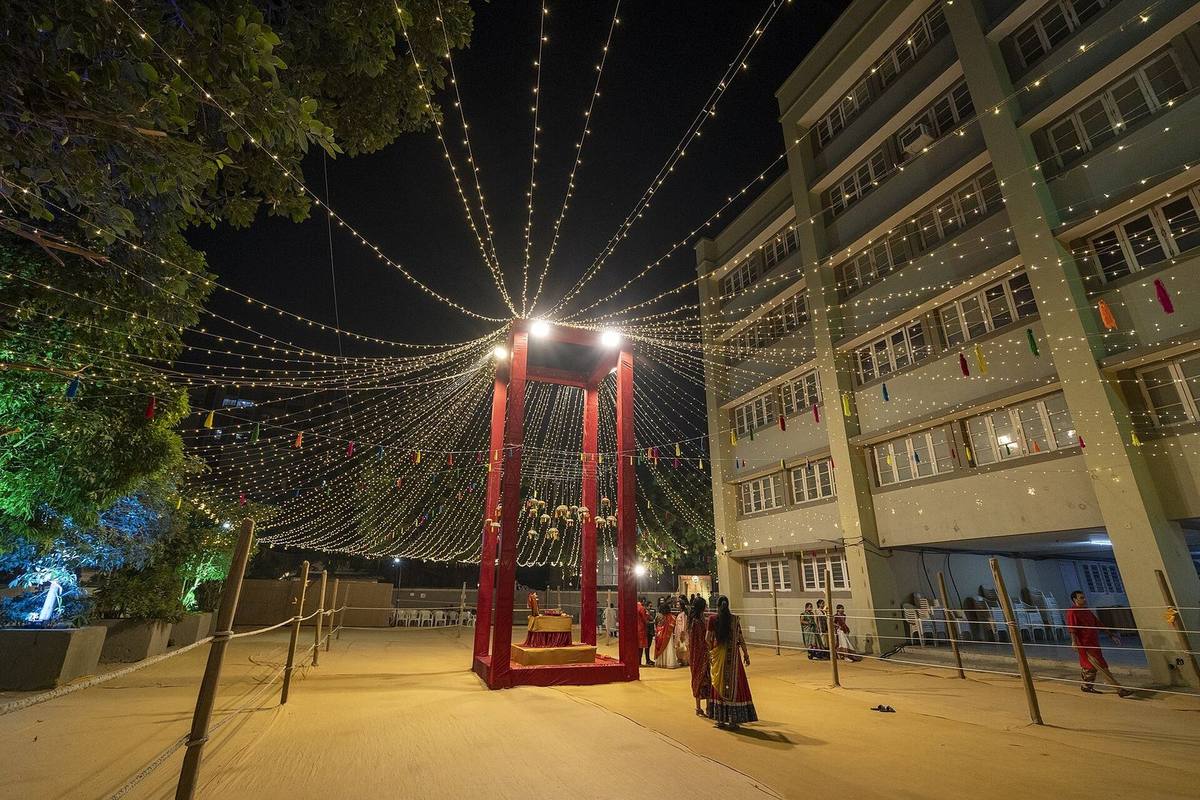
Navratri
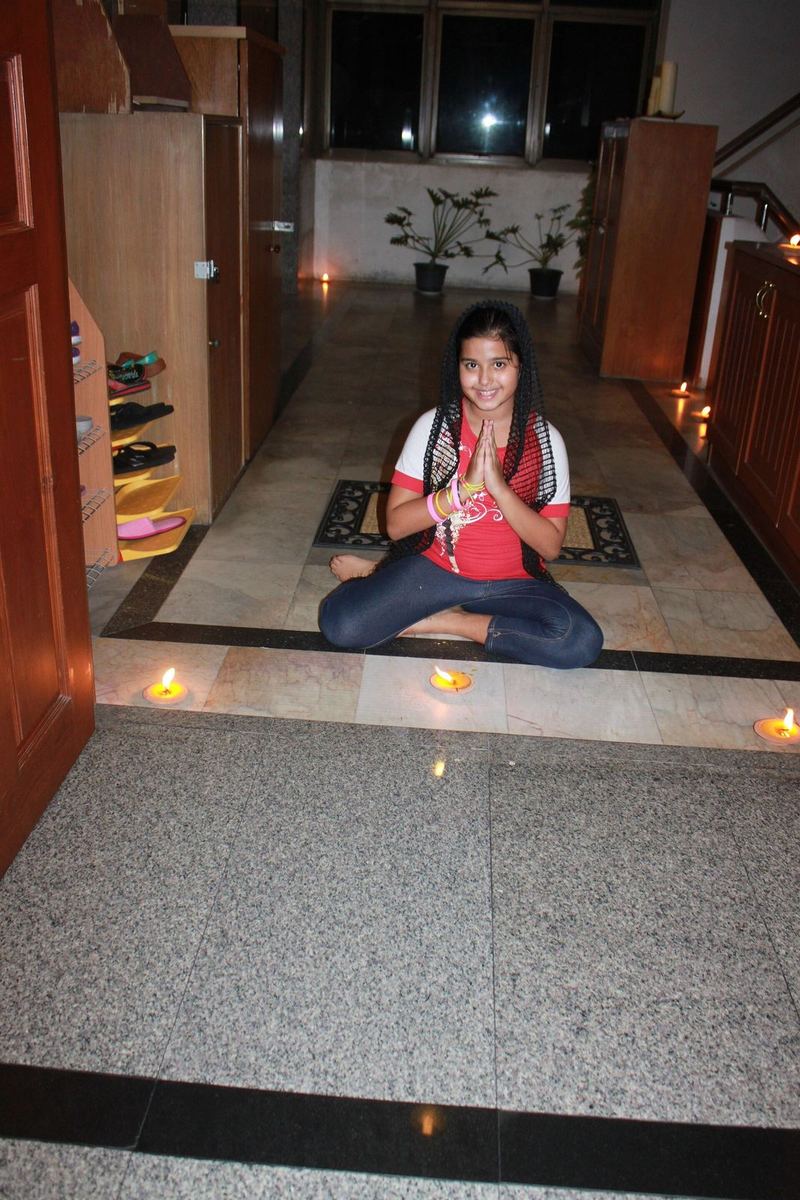
Navratri ("nine nights") honors the goddess Durga through nine consecutive nights of Garba and Dandiya Raas — circular folk dances performed around a central lamp or image. Surat's grounds range from neighborhood gatherings to enormous ticketed events with professional sound, lighting and choreography, some drawing tens of thousands of dancers across the festival.
Outfits matter almost as much as the dancing: women typically wear chaniya choli (embroidered skirts and blouses), men wear kediyu, and mirror-work, bells and color are everywhere. If you want to join in rather than just watch, most public grounds welcome visitors — a bit of hesitant footwork is completely normal and warmly received.