There's a local saying: "Surat nu jaman ne Kashi nu maran" — roughly, "eat in Surat, and you'll have lived well." Tap any dish for the full story, and recipe videos for a few icons.
Surat is one of India's most vegetarian-friendly cities — these are the essentials.
Head to Rander, Nanpura or Bhagal after sunset for the city's best non-veg spreads.

Locho is arguably the single most iconic Surti street snack — a steamed, spiced gram-flour batter with a texture somewhere between dhokla and khaman, but softer and more savory. It's served warm in a bowl, topped with tangy chutney, melted butter, sev (crunchy chickpea noodles) and pomegranate seeds, and eaten with a spoon straight from the cart.
It's uniquely Surti — you won't find it much outside the city — and cheap enough that trying two or three toppings' worth in one sitting is normal.

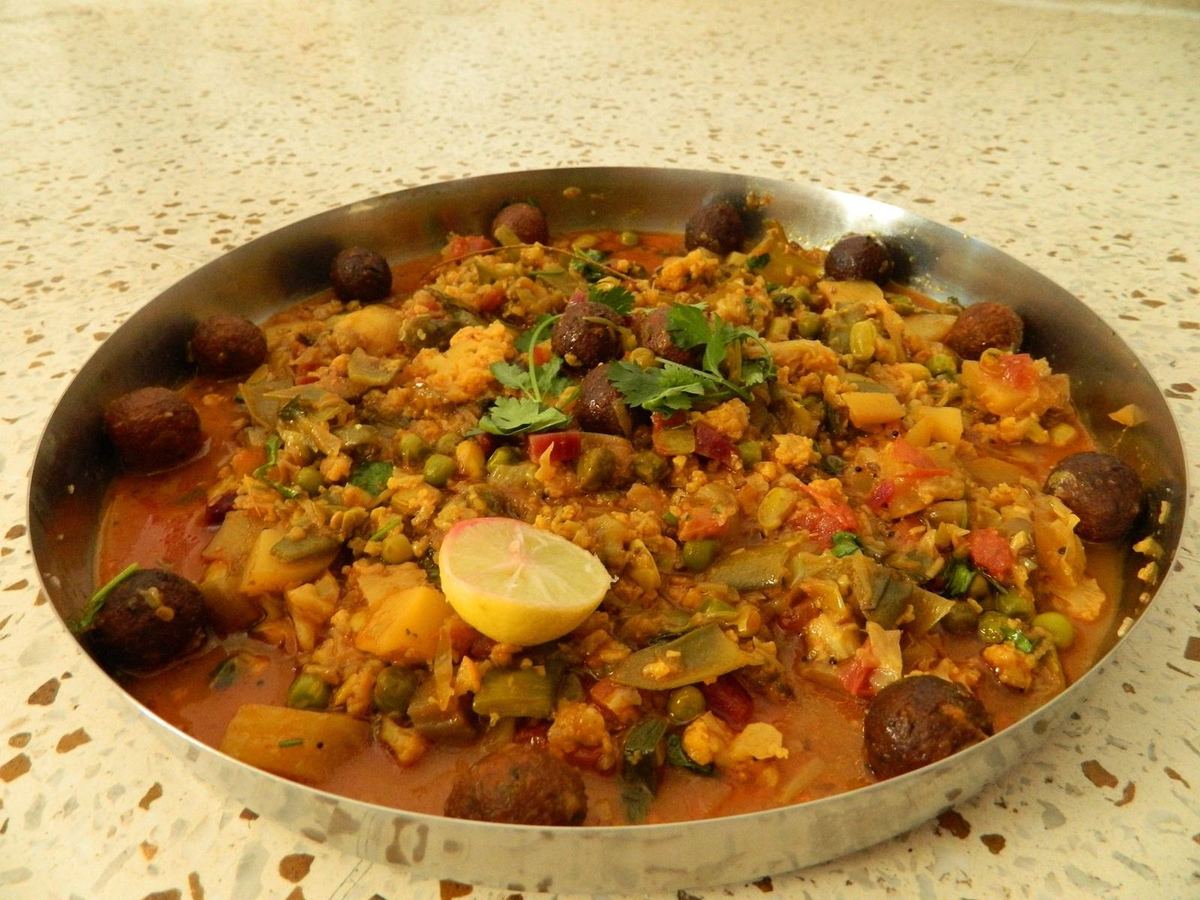
Undhiyu is Gujarat's great winter vegetable dish, traditionally slow-cooked upside down (the name literally means "upside down") in earthen pots buried in the ground over a fire — a method still used in some rural areas, though most city kitchens now use a regular pot. It combines purple yam, sweet potato, small green beans, eggplant and muthiya (spiced fenugreek dumplings) in a coconut-and-spice mixture.
It's most closely associated with Makar Sankranti (Uttarayan) in January, when the winter vegetables it relies on are at their best.

Ghari is Surat's signature sweet — a rich pastry shell filled with khoya (reduced milk solids), sugar, ghee and nuts, sometimes flavored with saffron or dry fruit. It's dense, indulgent, and traditionally eaten on Chandni Padva, the evening after Diwali, when the whole city seems to be out buying or eating it under the full moon.
Good sweet shops guard their exact recipe closely, and a handful of century-old shops are still considered the gold standard in the city.

Ponk is roasted tender green pearl millet (bajra), harvested young and roasted over an open flame by roadside vendors, then served warm with garlic chutney, jaggery and grated coconut. It's a purely seasonal treat — available for only a few weeks each winter — and something long-time residents genuinely look forward to each year.

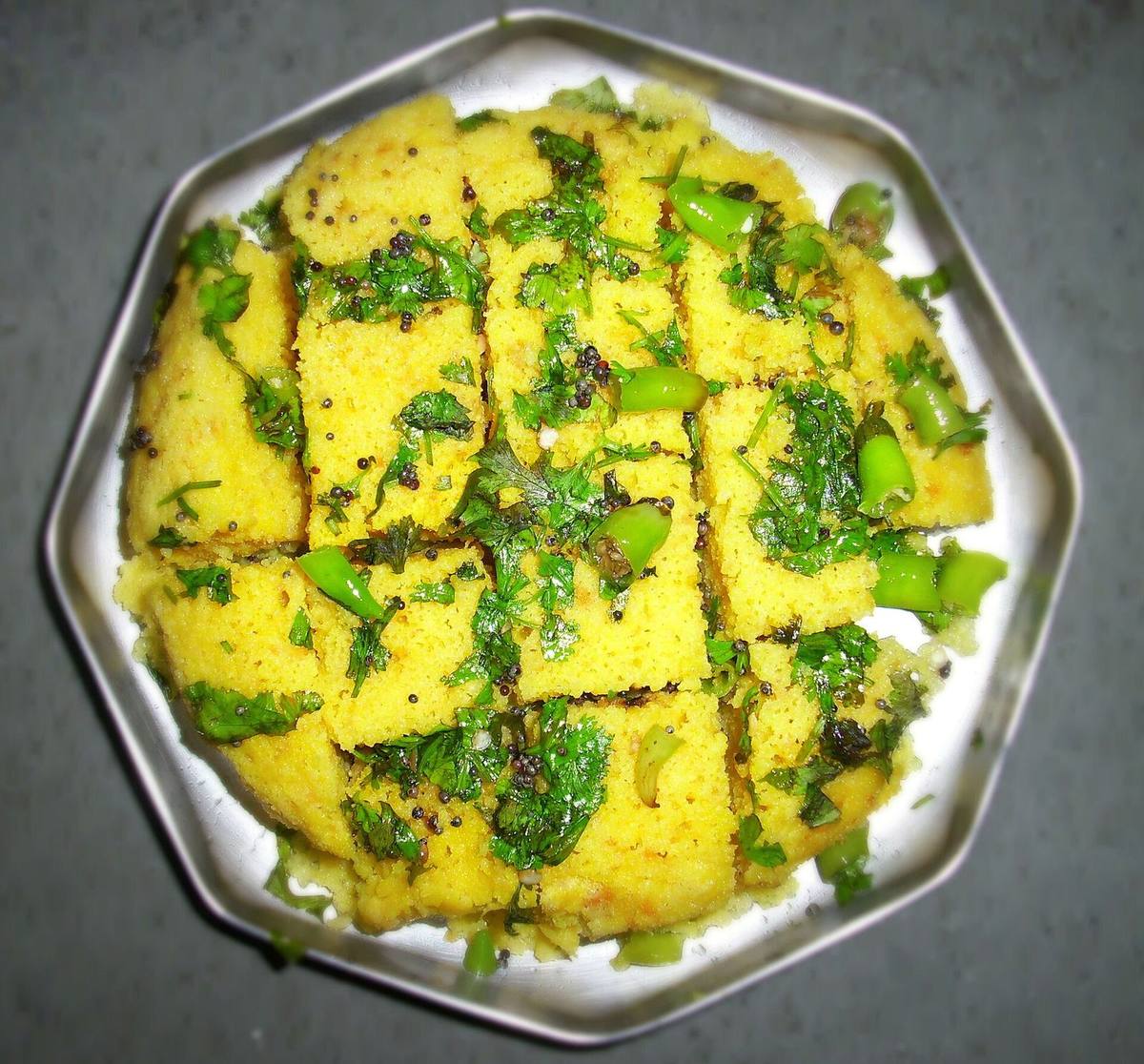
Khaman is a steamed, fluffy savory cake made from gram flour, tempered with mustard seeds and curry leaves — a breakfast staple across Gujarat. Sev Khamani takes leftover or freshly made khaman and crumbles it, mixing in crunchy sev, chopped onion, coriander and a squeeze of lime for a completely different texture and eating experience from the same base ingredient.

"Surti Chinese" is the city's own spicy-sweet, heavily localized take on Indo-Chinese street food — noodles, Manchurian and fried rice cooked fast over roaring flat-top burners at street carts, doused in a tangy red sauce that bears only a loose resemblance to actual Chinese cuisine. It's wildly popular with locals of all ages, especially in the evening.

Chicken handi is chicken slow-cooked in a sealed clay pot (handi) with a thick, richly spiced gravy — the clay pot's slow, even heat is credited with giving the dish its distinctive depth of flavor. It's a signature order at Surat's non-veg eateries, especially concentrated around Rander and Nanpura.

Rander's centuries-old Muslim trading community has its own distinct mutton curry tradition, passed down through family-run eateries for generations. Expect a slow-cooked, deeply spiced gravy, usually eaten with rumali roti or rice — this is the dish locals point visitors toward first when asked about Surat's non-veg food.

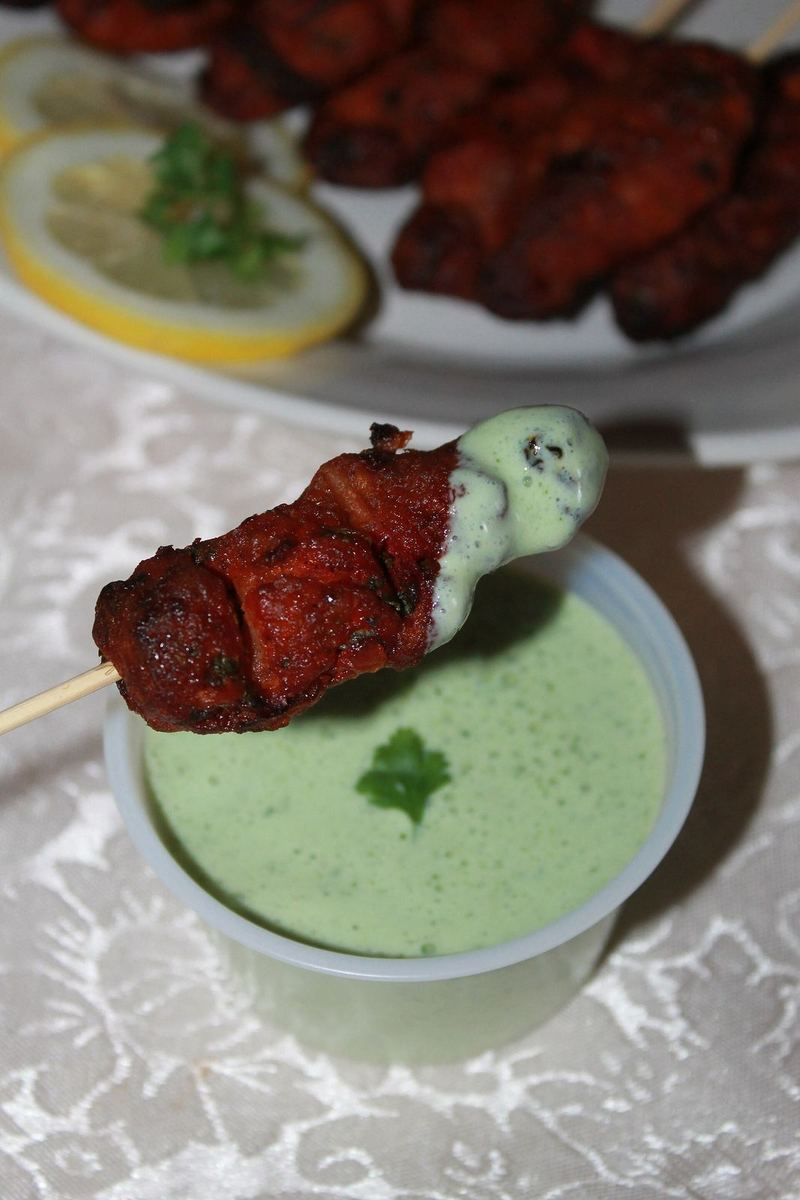
Charcoal-grilled minced-meat skewers with a clear Mughlai lineage, sold from tandoor-equipped carts and small restaurants that really come alive after sunset. Reliable, smoky, and best eaten fresh off the grill with a squeeze of lime and raw onion.

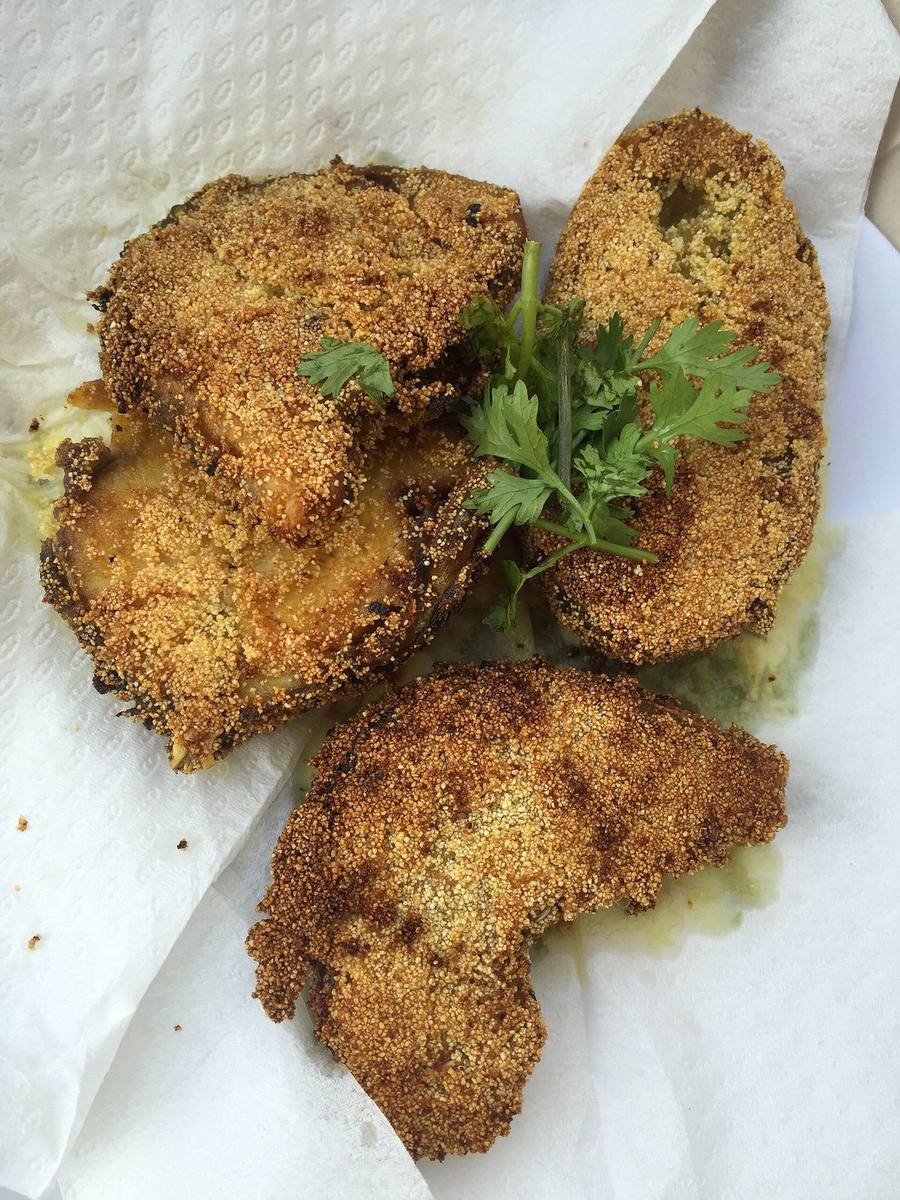
The shacks lining Dumas Beach specialize in fresh coastal catch, lightly spiced and pan-fried to order — a natural pairing with the beach's sunset views. It's simple, fresh cooking rather than an elaborate dish, and part of why a Dumas evening is such a popular local outing.

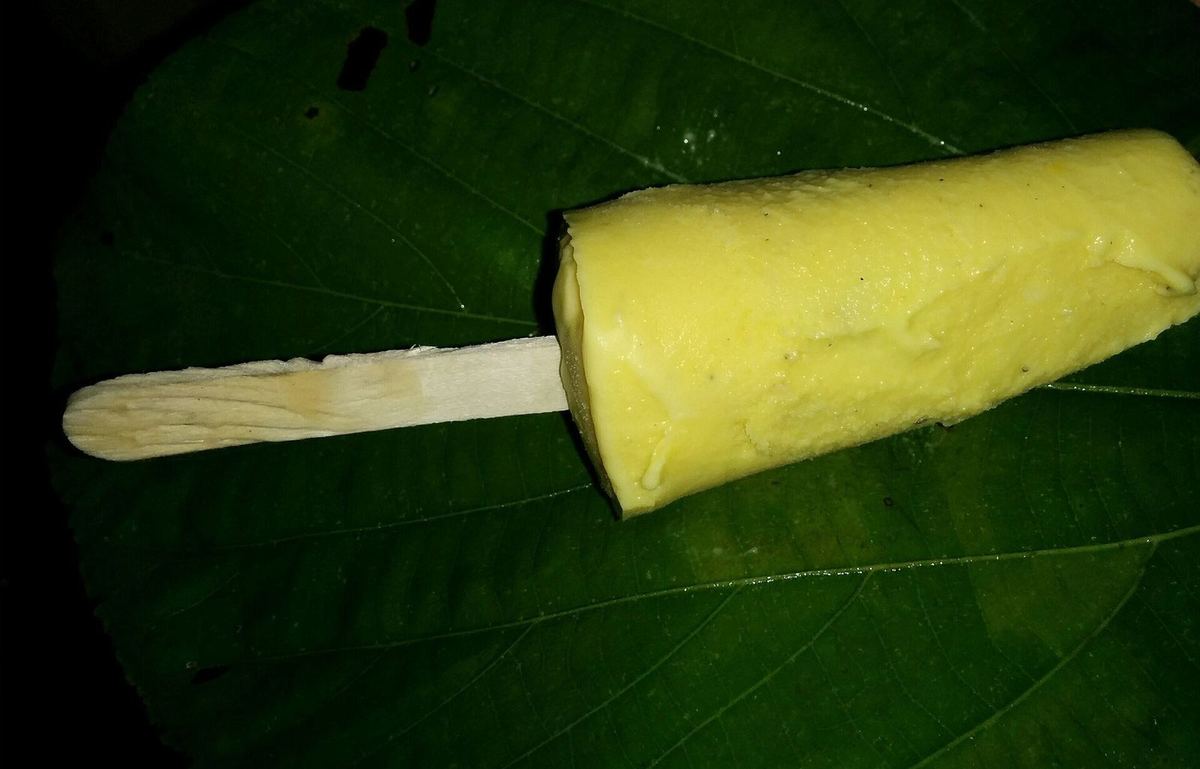
Ice gola is shaved ice packed onto a stick or into a cup and doused in bright fruit syrups — a summer staple sold from carts across the city. Kesar-pista kulfi (saffron-pistachio) is the more indulgent alternative: a dense, slow-frozen milk dessert, richer and creamier than western ice cream.

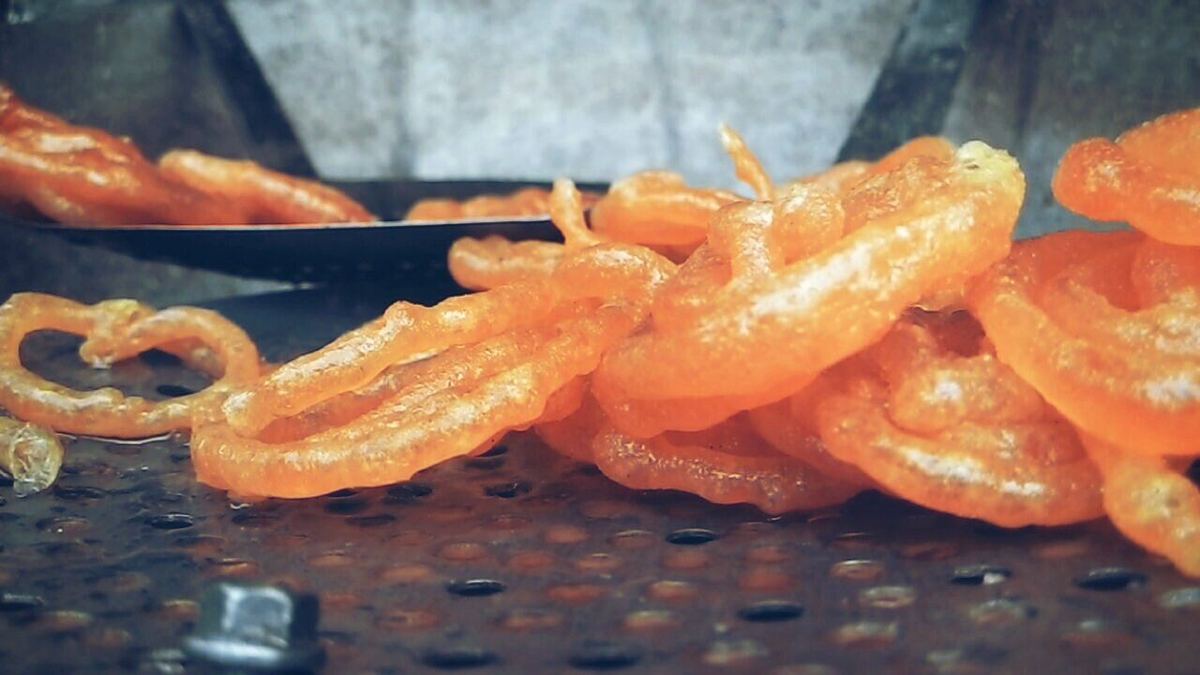
Fafda (crisp, savory gram-flour strips) paired with hot, syrup-soaked jalebi is the classic Gujarati Sunday-morning breakfast — sweet and savory eaten together, often with a side of fried green chili and papaya sambharo (a tangy shredded relish). Sweet shops across the city sell out of fresh batches by mid-morning.